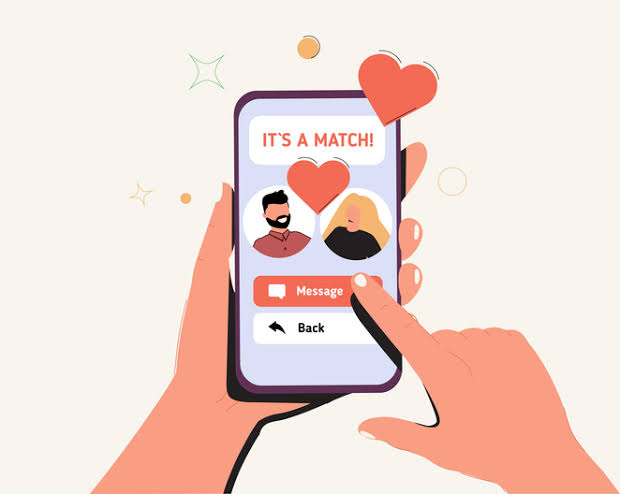
On-line dating is using internet-based platforms and mobile apps to locate, review, and launch enchanting, sex-related, or companionship relationships. It changes or supplements traditional meeting contexts (job, buddies, social venues) by making potential partners visible, communicable, and screenable online.
Core parts
- Platforms: internet sites and mobile applications (e.g., generalist markets, particular niche sites, dating-by-interest or identification, and location-based applications).
- Profiles: user-created pages containing pictures, composed biographies, passions, preferences, and occasionally behavior or market tags. Accounts are the key signal set other users use to evaluate compatibility.
- Matching systems:
- Self-selection/search: users search accounts, utilize filters, and start get in touch with.
- Mathematical matching: platforms compute compatibility scores from surveys, choices, or habits data and suggest suits.
- Geolocation/recency-based exploration: focuses on close-by or just recently active individuals.
- Communication channels: in-platform messaging, conversation, voice/video phone calls, and often directed prompts or icebreakers to facilitate very first call.
- Money making: freemium models (totally free basic usage, paid functions like boosts, see-who-liked-you, unrestricted messaging), subscriptions, ads, and in-app acquisitions.
read about it www.creationlabs.us/ from Our Articles
What it changes about dating
- Scale and efficiency: exposes users to much more possible companions than offline networks, raising option and reducing time-to-first-contact.
- Curated perception monitoring: allows purposeful presentation (images, modified bios) and presented self-presentation, which can both reveal and conceal elements of identity.
- Asynchronous interaction: lets people communicate on their own schedule, enabling representation before replies but additionally prospective ambiguity.
- Algorithmic impact: system style and ranking metrics form that sees whom and which habits are compensated.
- Safety and security and danger trade-offs: deals screening tools (background-check attributes, reports, obstructing) however likewise introduces risks (catfishing, rip-offs, harassment). Excellent methods decrease threat.
Common customer trips (concise instances)
- Browsing-to-meet: develop account → swipe/search → match/like → message → transfer to phone/video → satisfy face to face.
- Casual-first: quick messaging and occasional dates, frequently minimal to temporary or non-exclusive plans.
- Deliberate relationship-seeking: detailed profile, compatibility sets of questions, longer messaging before meeting, usually utilizing paid functions to narrow outcomes.
Effectiveness and end results
- Functions for many goals: long-term relationships, short-term dating, connections, friendship, and networking.
- Success depends upon system fit, profile quality, communication skills, clarity of intent, and time invested.
- Research approximately May 2024: on the internet dating now makes up a substantial share of brand-new connections in several countries; results differ commonly by age, area, and platform.
Practical ideas for success
- Specify in your bio concerning concerns and deal-breakers.
- Usage clear, recent pictures revealing face and context; include at least one full-body image.
- Open up with individualized messages referencing the recipient’s account; stay clear of common lines.
- Move to a phone/video call prior to an in-person date; pick public gathering place at first.
- Safeguard personal data: prevent sharing sensitive information early, verify identity signals, and record questionable habits.
Summary
Online dating is a highly mediated ecosystem for uncovering and starting relationships, combining profiles, formulas, and interaction tools. It magnifies reach and comfort, adjustments how impacts are formed, and calls for energetic administration of security, intent, and presentation to generate good outcomes.